
Off-Grid Workshop
IN THIS LESSON
Please scroll down to the “DOWNLOAD PDF” buttons for the course materials.
Credits PDF 1: https://www.bluesea.com/
Highlights:
Discusses when to choose 12V, 24V, or 48V battery banks for different applications.
Emphasizes the importance of efficiency and cost in selecting battery voltage.
Explains how higher voltage reduces current and system losses.
Provides examples comparing battery configurations and their power delivery.
Highlights typical use cases for each voltage level in RVs and off-grid systems.
Key Concepts
Main Topics:
Choosing battery voltage for applications (12V, 24V, 48V).
Impact of voltage on current, efficiency, and cost.
Battery bank configurations and capacity equivalence.
Definitions:
Voltage (V): Electrical potential difference.
Current (Amps): Flow of electric charge.
Power (Watts): Voltage × Current.
Battery bank: Group of batteries connected in series/parallel.
Core Principles:
Higher voltage reduces current for the same power, lowering losses.
System efficiency improves with higher voltage due to less current.
Cost considerations include cable size, inverter capacity, and equipment.
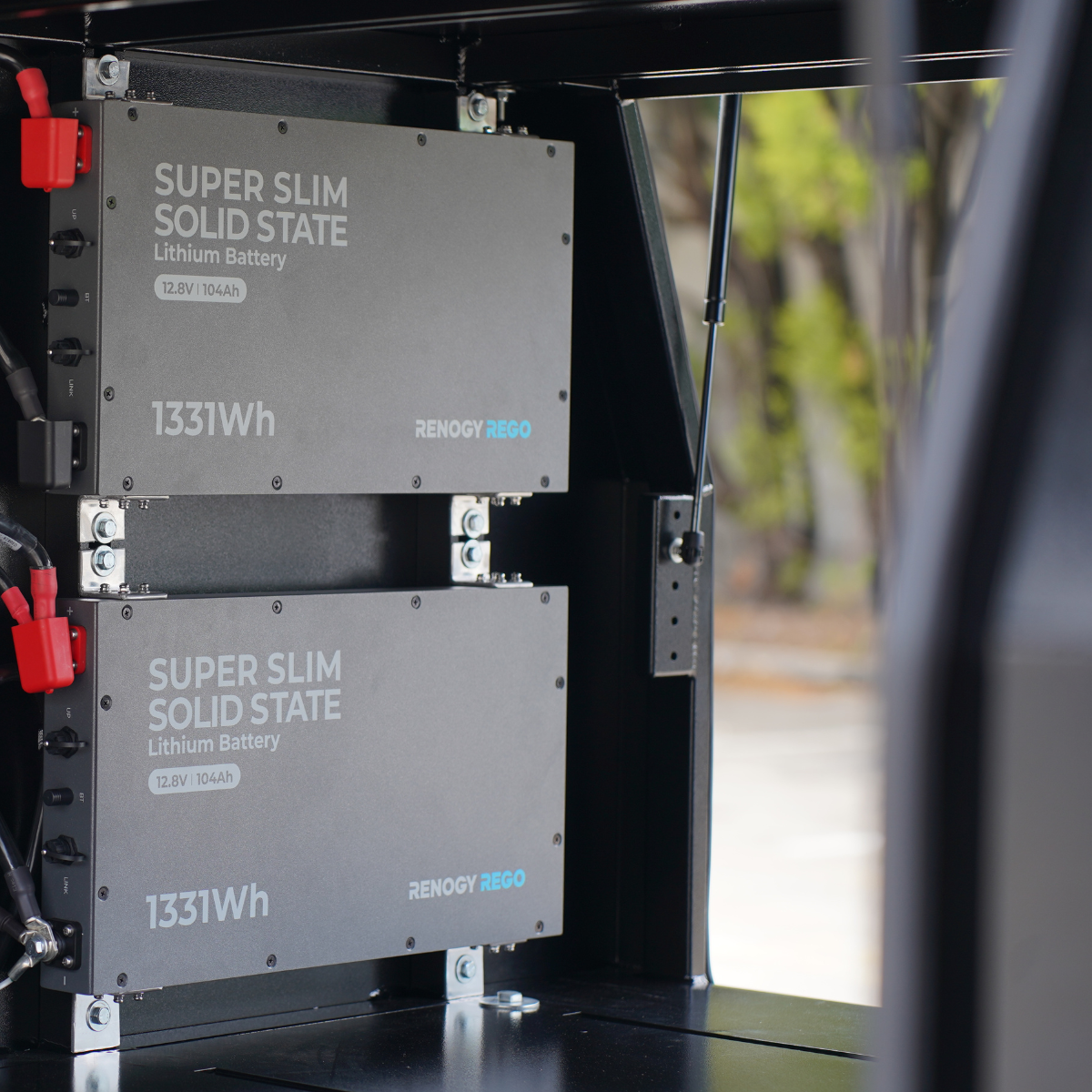
Battery capacity in watt-hours = voltage × amp-hours.
Important Details
Dates & Formulas:
Power (Watts) = Voltage (Volts) × Current (Amps).
Battery capacity (Watt-hours) = Voltage × Amp-hours.
Critical Points:
Current is the enemy of efficiency due to losses in wiring and equipment.
Higher voltage systems require smaller cables and less expensive equipment.
12V systems are suitable for low power (<3000W inverter).
24V systems fit medium power applications (up to ~10,000W inverter).
48V systems are best for high power and off-grid applications.
Common Pitfalls:
Using 12V for large power needs leads to large cables and expensive components.
Ignoring system voltage requirements can cause inefficiency and higher costs.
Review Summary:
Quick Reference:
Power = Voltage × Current.
Higher voltage lower current higher efficiency.
12V for low power, 24V for medium, 48V for high power/off-grid.
Battery capacity in Wh = V × Ah.
Memory Aids:
"Voltage Up, Current Down" to remember efficiency gains.
RV = 12V (typical), Off-grid = 48V (common).
Connection Points:
Voltage choice affects cable size, inverter cost, and system losses.
Battery configuration (series/parallel) changes voltage and capacity but can deliver same energy.